Measure With Your Heart
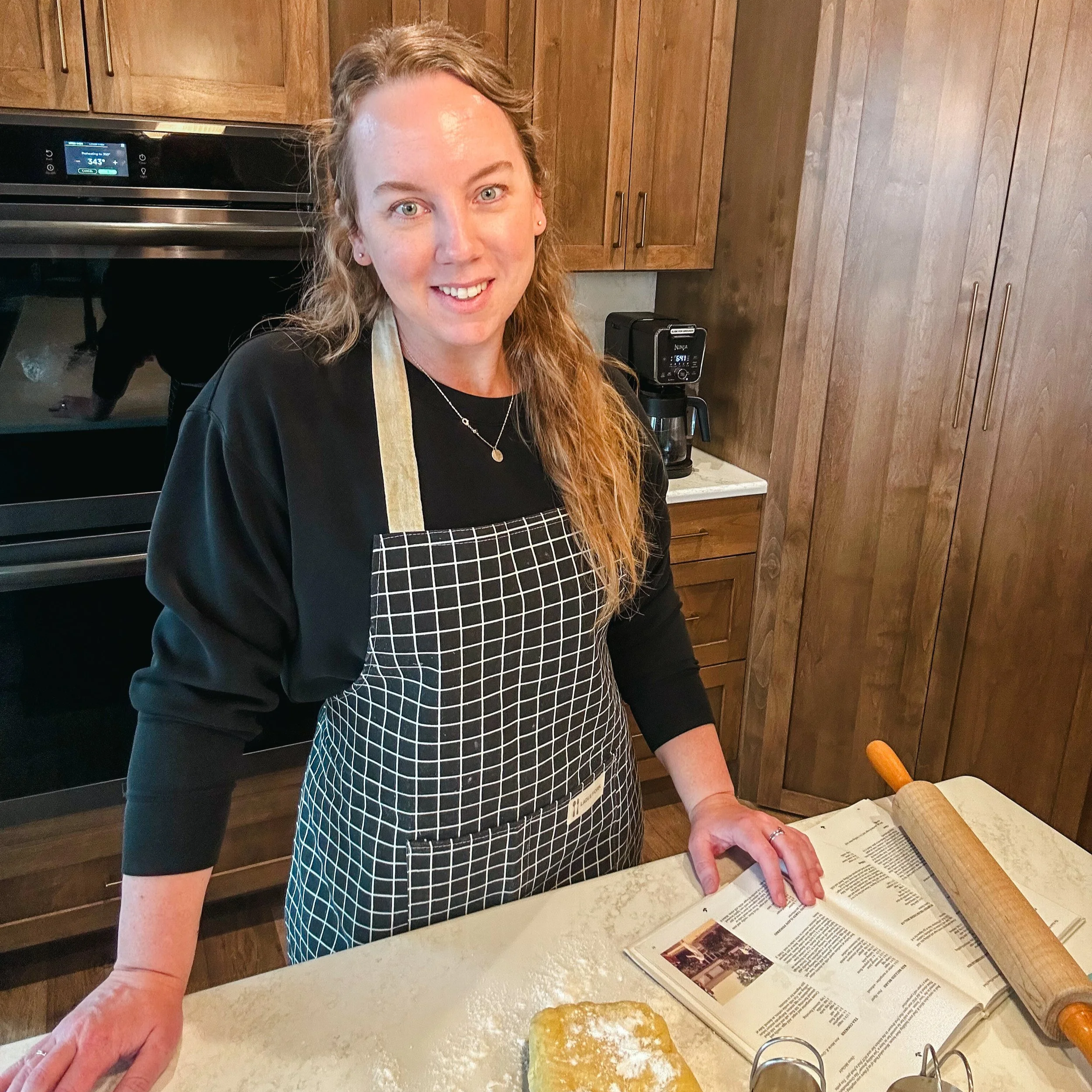
It’s no secret my mom is an amazing cook. She has been my whole life. She grew up the way pretty much everyone in that area and generation did. Someone pulled up a chair in the kitchen when she was little and let her help, and somewhere along the way, she learned to cook.
So when I was a kid, my mom was determined to make sure I learned how to cook, too, and cook well. I was a practical kid, though, and one day I got frustrated with her. My exact words were, “How am I ever going to learn to cook if you don’t measure anything?”
And thus began my real education in becoming a good cook. It was hands-on. You put things in until they looked right. You tasted. You paid attention to texture and feel. You learned when something needed a few more minutes in the oven and when you actually wanted to pull it out a little underdone because it would keep cooking after it came out.
Somewhere along the way, I became my mother. Today, I measure with my heart. That looks good. Oh, maybe a little more. Yep, that’s enough.
You can imagine how well this went when we decided to take generations of cooking this way and turn it into an actual cookbook with recipes other people are supposed to be able to follow. I don’t know how much salt and pepper, Martha. Until it looks right. I don’t know exactly how long I cooked it, Becky. Until it felt right. Turns out, those are not acceptable recipe instructions.
So we measured. We tested. We paid attention. And while putting this cookbook together, I started thinking about all the little things I know about cooking that were never really taught to me as rules. They’re just things you learn along the way.
Your hand is the perfect measuring spoon. Pour the salt into your palm, and when it looks like about a teaspoon, consider it a teaspoon and roll on. You know your catfish is done frying when you grab it with the tongs and can feel it sizzling. If your cake layer sinks in the middle, it probably wasn’t quite done, even if it had a beautiful dome when you pulled it out of the oven. You can really never add too much vanilla or onion to anything.
No buttermilk? Milk and a little vinegar will get you there. A good biscuit does not have to be complicated. Self-rising flour, salt, sugar and heavy cream will get the job done. They say baking requires precision, but turns out that really only matters for certain kinds of baking. If precision isn’t your thing, stick with cobblers, cookies and muffins. They’re much more forgiving.
For the love, heat up that cast iron skillet before you start cooking in it. And don’t be surprised when one day you look around and realize you own almost a dozen of them. One day you’re also going to have a favorite flour, vanilla, mayo and butter. Accept it.
Season as you go. Taste the thing you’re making. Just because a recipe told you to do something one way doesn’t mean you have to. If you cook with simple ingredients, it’s pretty easy to scale almost anything to feed a crowd. And once you open the bag, keep your coconut flakes and pecans in the freezer.
None of these things are particularly profound. They’re just little pieces of knowledge collected over a lifetime spent in kitchens. Which, now that I think about it, is exactly how my mom learned. Someone pulled up a chair. She watched. She helped. She cooked. Eventually, she just knew.
Then she pulled up a chair for me.
And now, after all those years of begging her to please just tell me how much of something to put in, I finally understand what she was trying to teach me. Sometimes you measure the teaspoon. And sometimes you measure with your heart.
